
Digging connects us to the earth, gives us a sense of control, and satisfies a deep urge to shape our surroundings. In essence, this concept encapsulates The Psychology of Digging: Why Humans Love Shovels Explained.
There’s something oddly satisfying about pushing a shovel into the ground. Whether we’re planting a garden, starting a project, or just moving dirt, the act feels grounding and purposeful.
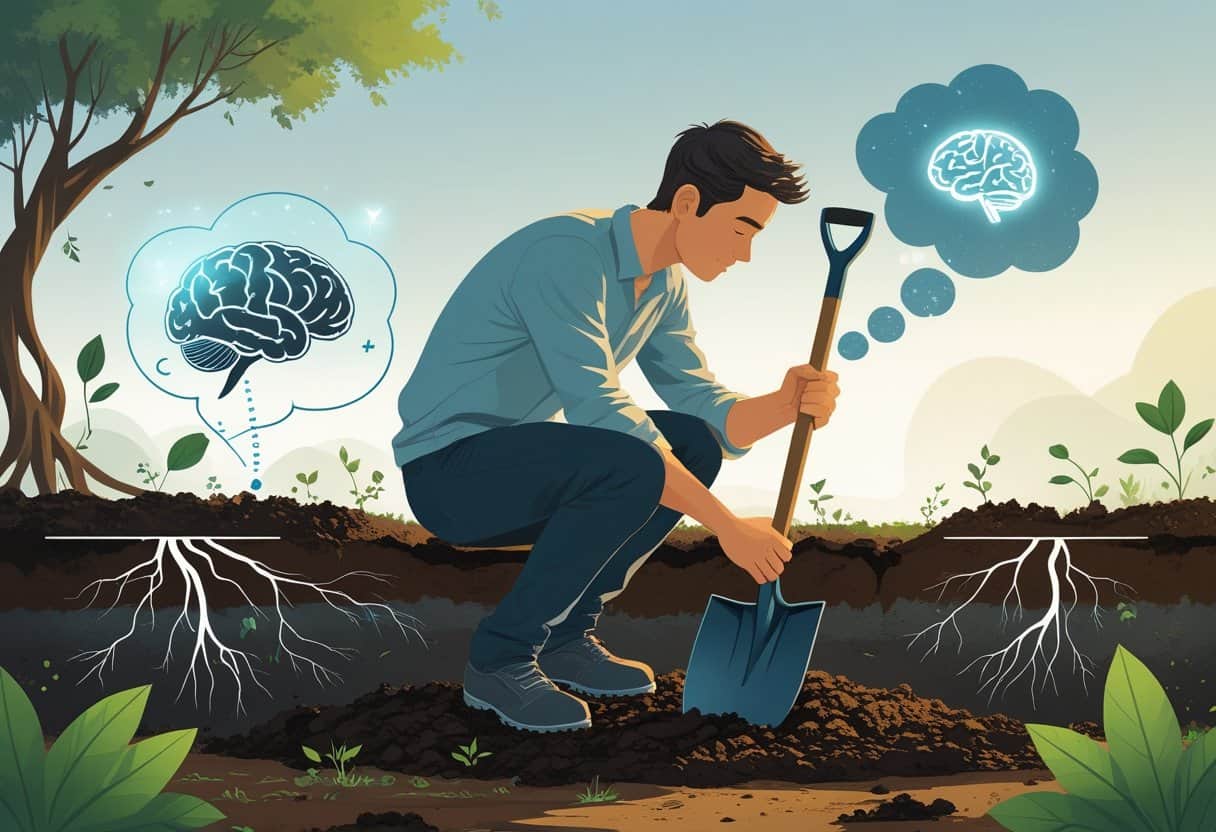
This pull toward digging goes way beyond a hobby. Studies have found that working in soil can lift your mood and reduce stress thanks to natural microbes that trigger serotonin.
Digging’s rhythm can quiet the mind, turning effort into focus and calm.
Shovels aren’t just tools—they’re symbols of labor, discovery, and renewal. From farming and archaeology to play and ritual, digging shapes how we build, remember, and imagine our world.
Table of Contents
The Innate Appeal of Digging
Digging gives us both mental and physical rewards. It ties together our senses, our need for control, and, honestly, our evolutionary history.
Moving soil taps into ancient instincts that shape how we relax, focus, and find purpose.
Psychological Drivers Behind Digging
We dig because it gives us agency. Turning soil or carving out a space lets us see real results from our effort.
This visible progress offers instant feedback—something our brains seem to crave.
Humans, it seems, are wired to look for patterns and meaning around us. According to Why Our Brains Are Built to Search for Meaning, our minds link even simple actions to bigger purposes.
Digging can feel symbolic—like we’re uncovering or creating order from the mess.
We also use digging to ground ourselves mentally. The repetitive motion and tactile feel help us focus on the present, making it a lot like mindfulness practices.
The Reward System and Sensory Satisfaction
Digging triggers our reward system through effort and sensation. The soil’s resistance, the earthy smell, the sound of a shovel—all of it hits multiple senses at once.
These sensations spark dopamine, so satisfaction comes naturally.
In gardening, the sensory experience can be almost meditative. As described in Digging Deep, touching soil and focusing on the process can calm the mind and even boost creativity.
When we dig, our attention narrows, breathing slows, and we slip into a relaxed but alert state.
Sensory rewards of digging
| Sense | Experience | Effect |
|---|---|---|
| Touch | Feeling soil texture | Grounding and comfort |
| Smell | Earthy scent | Triggers calm memories |
| Sound | Shovel scraping | Rhythmic focus |
All these layers come together, making digging both physically satisfying and emotionally soothing.
Evolutionary Origins of Digging Behaviors
Our pull toward digging probably comes from evolutionary roots. Early humans dug for food, water, and shelter—basic survival stuff.
Research on extractive foraging among hunter-gatherers shows this behavior required focus, endurance, and teamwork. Those traits were vital.
Kids still love digging, which suggests it’s at least partly innate. Studies on innate behavior in psychology back up the idea that some actions are hardwired because they were once essential.
When we dig today—whether in a garden or at a job site—we might be reenacting ancient habits that helped our ancestors survive. Maybe that’s why the experience feels both natural and deeply rewarding.
Shovels Function and Fascination
We use shovels to shape land, build, and connect with the world in a hands-on way. Their design shows off our ingenuity and our need for experiences that link effort to visible results.
The Role of Shovels in Human Development
Shovels have shaped how we build and survive. Early humans used bone and wood tools to dig soil, plant crops, and make shelter.
These actions helped farming communities and early cities grow. As societies advanced, metalworking improved shovel design. Iron and steel blades made digging quicker and easier.
The history of shovels shows how they went from basic implements to essential tools for farming, building, and exploring.
We see their cultural importance in rituals and ceremonies. In ancient China and Egypt, shovels appeared in burial and groundbreaking practices, symbolizing life, labor, and renewal.
Even now, a ceremonial shovel marks the start of new projects, tying modern progress to old traditions.
Engineering and Design of Shovels
A good shovel balances strength, comfort, and efficiency. The handle, shaft, and blade need to work together to reduce strain and boost leverage.
These days, manufacturers use materials like fiberglass, steel, and aluminum to make shovels lighter and tougher.
Common shovel types include:
| Type | Primary Use | Typical Material |
|---|---|---|
| Round-point | Digging soil | Steel blade, wooden handle |
| Square-point | Moving gravel or debris | Steel or aluminum |
| Snow shovel | Clearing snow | Plastic or metal |
Innovations like ergonomic grips and angled blades help with posture and reduce fatigue. The evolution of the shovel shows our drive to make hard work a bit easier—and safer.
Anthropomorphism and Emotional Attachment
It’s funny, but we often get attached to our favorite tools. A well-worn shovel feels familiar, shaped by our hands and habits over time.
Some of us even give our shovels a bit of personality—calling them trusty or reliable. That attachment comes from all those moments when effort leads to real, visible results.
Through this bond, shovels become more than just tools. They’re extensions of our will, linking physical work with emotional satisfaction and a sense of mastery.
Digging in Daily Life: Agriculture, Gardening, and Mining
We rely on digging to feed ourselves, shape our spaces, and connect with the land. It supports food production, gives us mental and physical benefits, and provides materials for global industries.
Agriculture and the Human Connection to Soil
In agriculture, digging preps the ground for seeds and roots. Farmers loosen compacted soil to help air and water flow, making crops stronger and healthier.
The act also exposes nutrients and supports soil life, which keeps the land fertile for the long haul. Our relationship with soil runs deep. Working the land connects us to generations who depended on it to survive.
Studies show that soil microbes can influence our immune systems and emotional health, so this connection is physical and psychological. Modern farming tries to balance productivity with sustainability.
Techniques like reduced tilling and crop rotation protect soil structure and prevent erosion. Some experts even argue that digging less can help soil health.
Keeping this balance lets us grow food while respecting the ecosystems that support us.
| Purpose of Digging | Benefit |
|---|---|
| Seedbed preparation | Better root growth |
| Aeration | Improved water absorption |
| Nutrient mixing | Higher soil fertility |
Gardening as Therapy and Recreation
Digging in the garden offers so much more than just fresh veggies or flowers. It’s calming and hands-on—reducing stress and lifting your mood.
Research shows that digging in the dirt can make us happier by exposing us to soil microbes that may affect brain chemistry.
We get exercise and mindfulness from gardening tasks like planting, weeding, and raking. These activities promote flexibility, strength, and focus.
The Mayo Clinic Health System says working with soil can improve physical and mental health.
Gardening connects us to nature in a direct, sensory way. The feel of soil, the smell of earth, and the satisfaction of nurturing growth combine care, patience, and creativity into a pretty rewarding experience.
Cultural and Symbolic Meanings of Digging
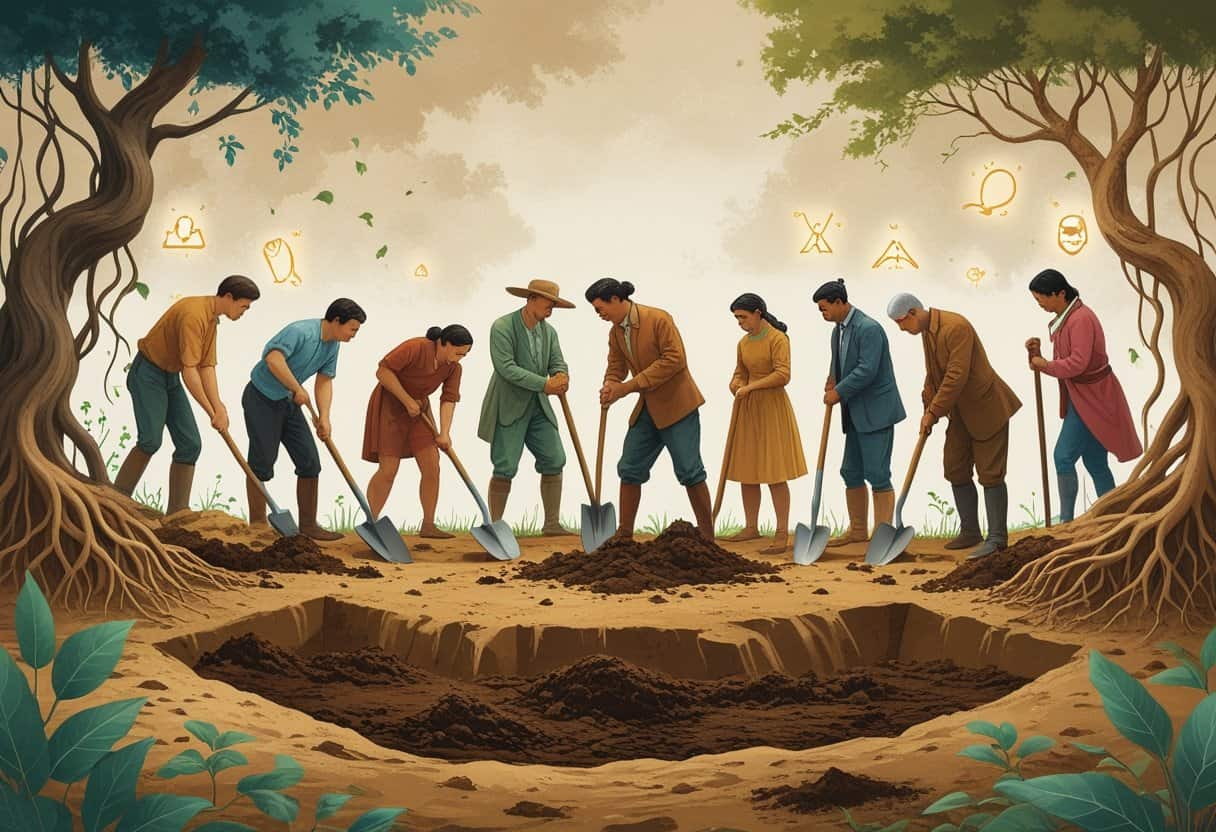
Digging ties us to cultural traditions and shared human experiences. Across time, this act has reflected our relationship with the Earth, our ancestors, and our drive to build, plant, and uncover meaning.
Rituals, Myths, and Literature
Digging pops up in ceremonies and myths as a symbol of transformation and renewal. In ancient Egypt, people used bone or wooden shovels during burial rituals to help guide souls to the afterlife, tying the act of turning soil to the cycle of life and death.
In early China, bronze ceremonial shovels played a part in honoring Earth deities during the founding of palaces or cities. These tools stood for both agriculture and spiritual duty, mixing practical work with sacred meaning.
Writers have leaned on digging as a metaphor for discovery and truth. Seamus Heaney’s poem Digging connects generations of farmers and writers, showing respect for labor and heritage.
The cultural symbolism of shovels pops up in folklore, too. Characters like the leprechaun use a shovel to bury treasure, turning physical work into stories about hidden value and perseverance.
Shovels in Art and Social Movements
Artists and communities use the shovel as a sign of work, progress, and unity. In medieval heraldry, families with farming roots featured the shovel on their coats of arms.
Its presence in art hints at both manual labor and the dignity of creation. The Industrial Revolution turned the shovel into a symbol of progress, often shown next to steam engines and railroads—celebrating human effort and our shift from rural to industrial life.
Modern social campaigns have picked up the shovel, too. Environmental groups use it during reforestation drives to signal hands-on restoration and renewal.
The shovel brigade movement shows how communities “dig in” together to tackle local problems, turning a plain tool into a sign of shared responsibility and action.
Digging for Discovery: Play, Curiosity, and Learning
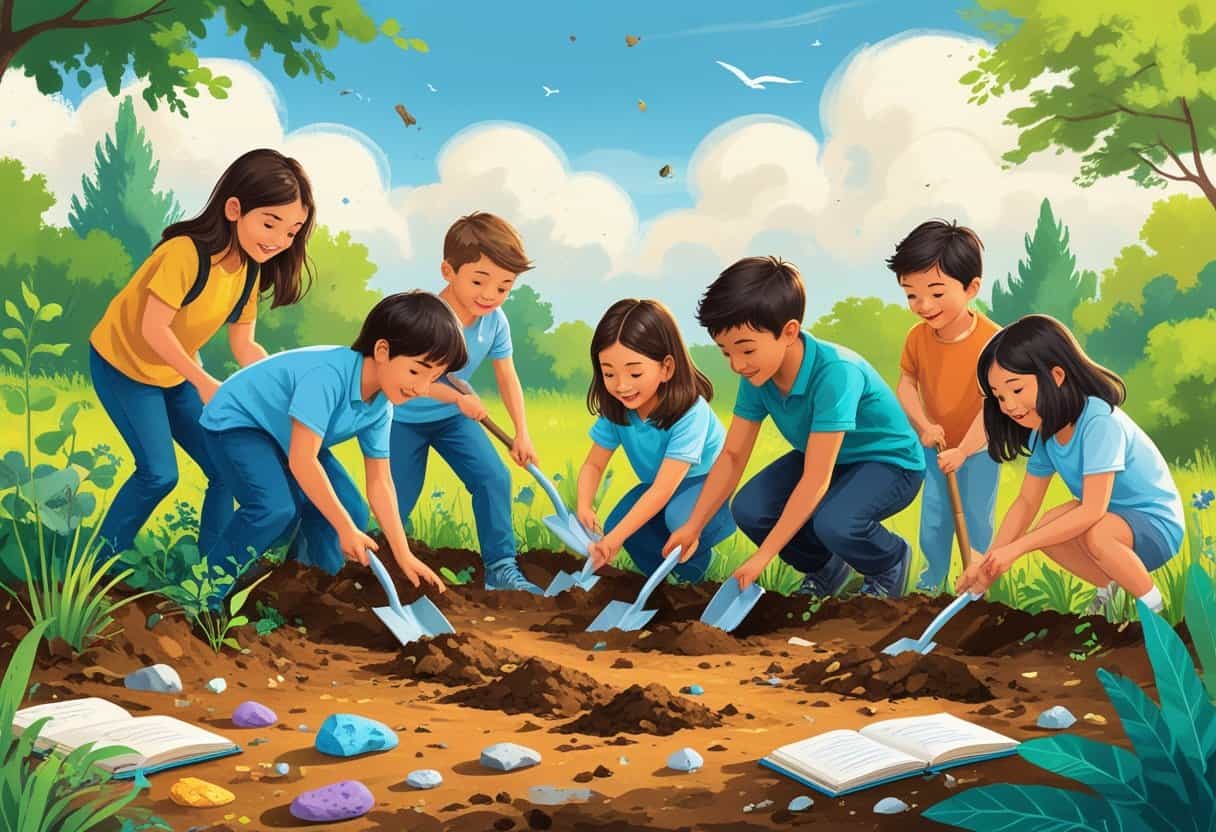
Digging might look simple, but it’s a way we explore, test ideas, and learn by doing. When we dig, we bring together curiosity, physical effort, and imagination—shaping both early development and how adults solve problems.
Childhood Fascination and Development
Kids can’t help but dig to figure out their world. They experiment with cause and effect—what shifts when they move soil, uncover roots, or stumble on hidden objects.
This hands-on play builds motor skills, patience, and focus. Research on play and development suggests that play lets kids try out “apparently useless” behaviors that actually lead to discovery.
Digging fits right in—it encourages curiosity with no set goal, where the process itself is the reward. Educators say play-based learning environments spark curiosity and exploration.
In spaces with open-ended materials like sand or dirt, kids invent challenges and learn through trial and error. According to Harvard’s Graduate School of Education, this kind of exploration builds social and emotional skills for life.
| Benefit | Example of Experience |
|---|---|
| Fine motor control | Using small tools to scoop soil |
| Cognitive growth | Predicting what lies beneath |
| Emotional regulation | Managing frustration or excitement |
Digging as Exploration and Problem Solving
For adults, digging often becomes a metaphor for inquiry, but the physical act still matters. It combines curiosity with problem-solving—whether we’re gardening, searching for artifacts, or studying soil composition.
Each movement uncovers new information and sharpens observation. Psychologists link curiosity with motivation and memory.
Studies on the science of curiosity suggest that chasing uncertain outcomes activates deeper learning in the brain. Digging deals out that uncertainty through sensory feedback and visible progress.
We can also see digging as structured exploration. Unlike random searching, digging means setting small goals and adjusting as you go—much like how we tackle problems in other parts of life.
Final Thoughts
There’s comfort in the simple act of turning soil. Whether it’s gardening, archaeology, or construction, digging gives us a sense of purpose and keeps us grounded in a world that’s often fast and detached.
Research suggests hands-on tasks like gardening can reduce stress and boost creativity. As Psychology Today discusses in their piece on digging as a mindful and creative act, working with soil helps us slow down and tune into our senses.
Digging also carries weight as a symbol. In literature, like Seamus Heaney’s “Digging,” the shovel turns into a tool of memory and identity.
Analyses from SparkNotes and LitCharts point out how Heaney uses digging to explore family heritage and creative purpose.
Why do we keep digging?
- It scratches the itch of curiosity and discovery.
- It ties us to our ancestors’ labor.
- It gives a physical outlet for thoughts and emotions.
| Aspect | Psychological Benefit |
|---|---|
| Physical digging | Reduces stress and promotes focus |
| Symbolic digging | Encourages reflection and creativity |
| Shared digging | Builds cooperation and connection |
As we dig—literally or not—we uncover the world beneath us and the thoughts inside us. The shovel stays a simple but powerful tool, still shaping how we relate to nature and ourselves.
Frequently Asked Questions
What psychological factors contribute to the enjoyment of digging?
Digging feels calming—maybe it’s the rhythm or the visible progress. The act brings a sense of control and purpose, and physical effort releases endorphins. That repetitive motion can be oddly meditative, too.
How has the use of shovels evolved in human history?
Shovels started as basic tools made from bone and wood. Over time, people made them essential for farming, construction, and ceremonies. In ancient China and Egypt, shovels even held ritual meaning. These days, new designs include ergonomic handles and tough materials for efficiency, as the history of the shovel shows.
How does the act of digging influence human behavior and decision-making?
Digging encourages persistence and patience. You move soil little by little, and that slow progress can really shape how you tackle challenges—one step at a time, with focus and a bit of stubbornness. This attitude tends to spill over into work, relationships, and the way we solve problems. Maybe that’s why some people swear by gardening as a way to clear their heads.