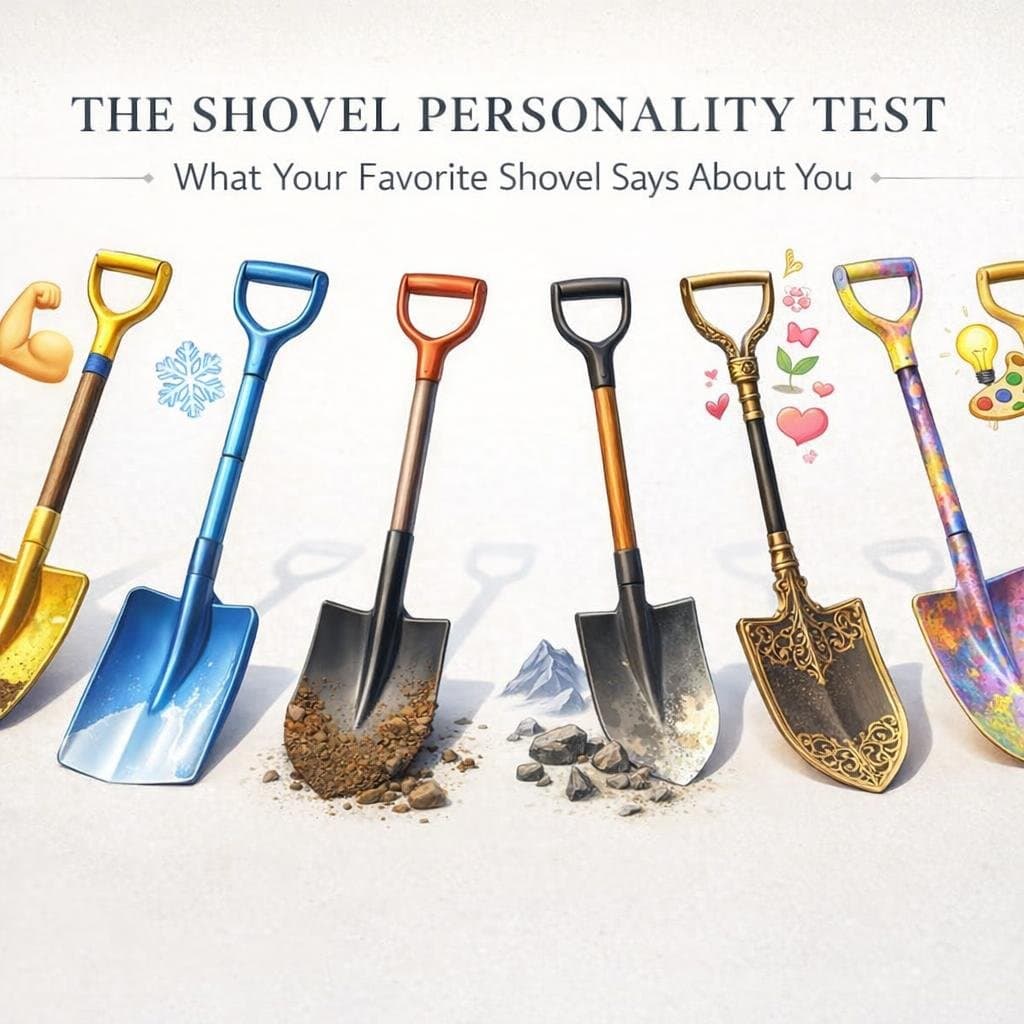
Ever wondered what your favorite shovel might say about you? It sounds odd, but honestly, small choices like this can reveal more than you’d think.
The shovel you reach for can reflect your habits, mindset, and how you deal with life’s bumps in the road. That’s the idea behind the what your favorite shovel says about you—it links simple preferences to deeper personal traits.
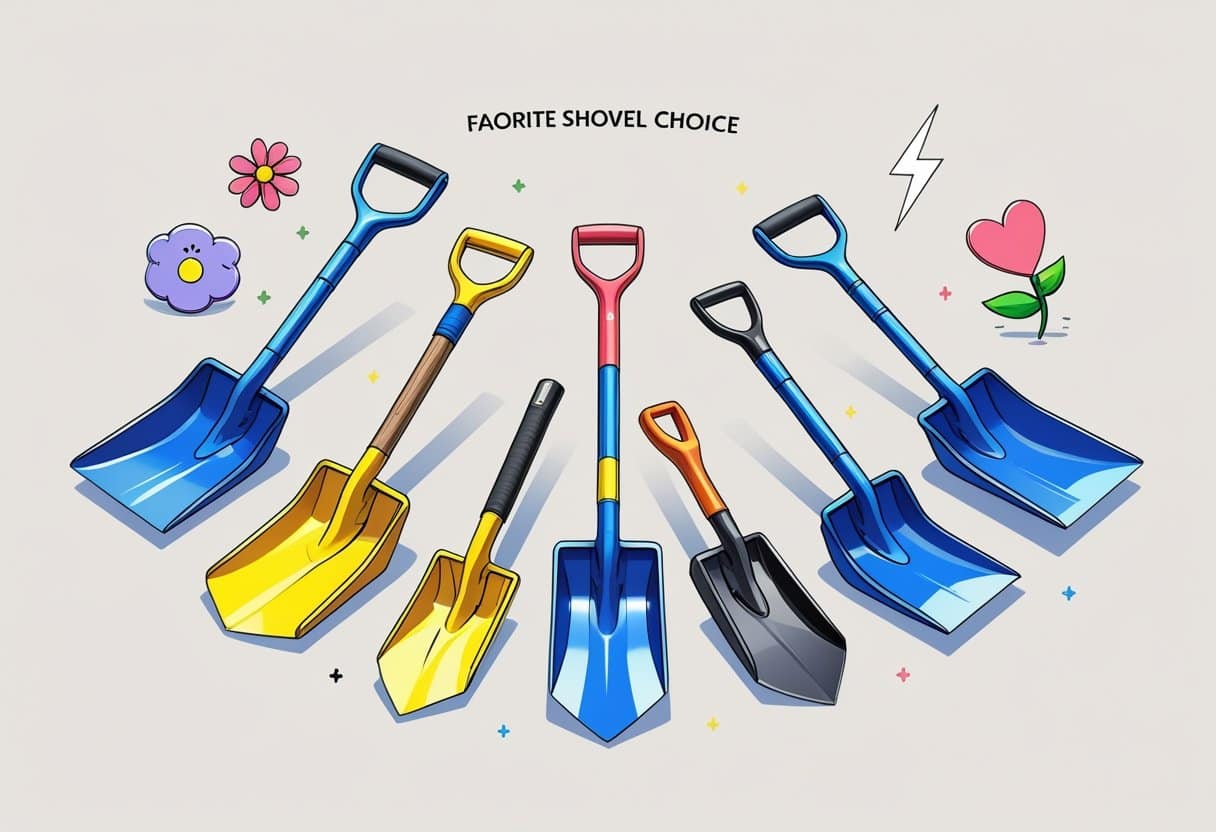
We put this article together to make self-discovery a bit more fun and way less abstract. When you pick between a trusty steel shovel or a feather-light plastic one, you’re actually showing something about how you tackle work, solve problems, and relate to others.
Each result connects personality insights with real behavior, and it’s surprisingly spot-on. Who knew a tool could be so revealing?
Table of Contents
How Your Favorite Choice Of Shovel Reflects You
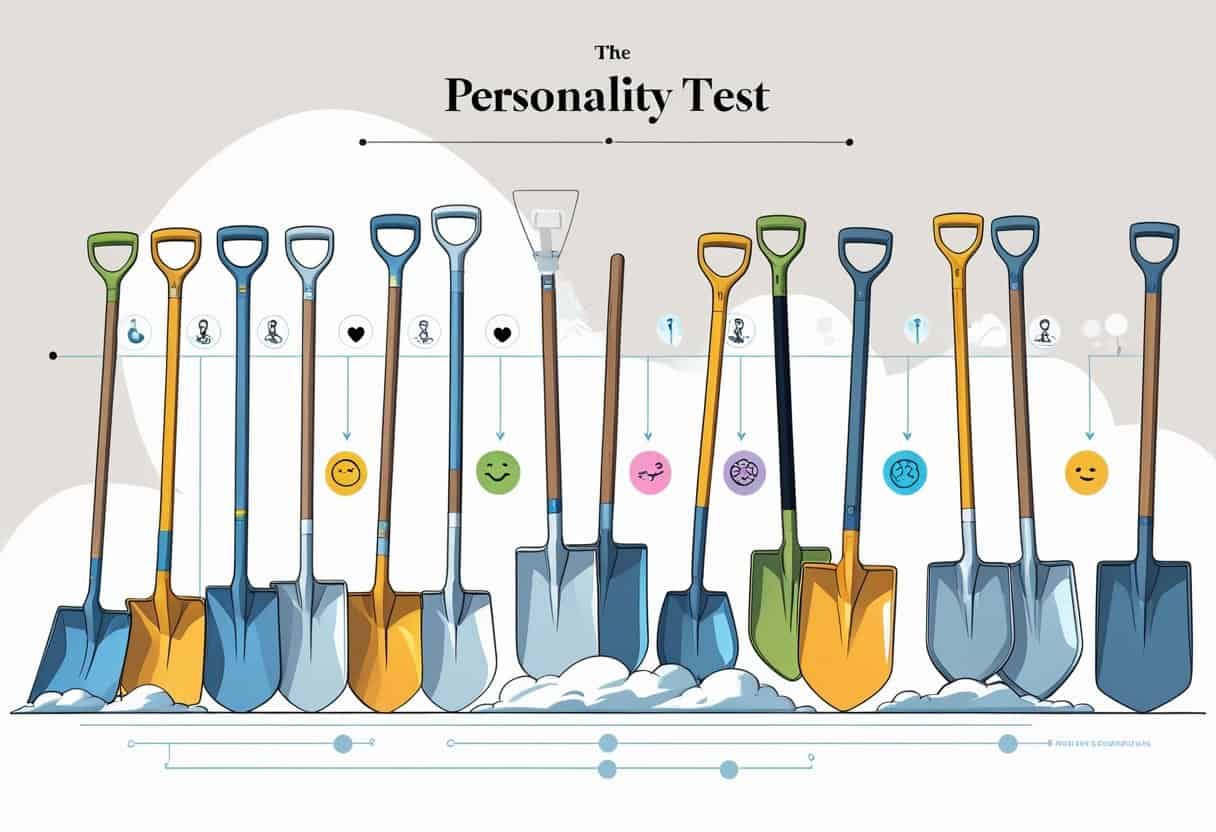
Understanding How Your Favorite Shovel Reflects Your Personality
If you grab a heavy-duty steel shovel, you might value endurance and practicality. If you go for a lightweight plastic one, maybe you favor efficiency and speed.
Each result lines up with recurring personality traits, similar to classic personality frameworks. The logic here is kind of like what you’d find in workplace assessments such as Hogan’s approach—using data to connect preferences to bigger personality dimensions.
Here’s a quick look at how shovel categories might match up with core traits:
| Shovel Type | Possible Trait | Behavioral Focus |
|---|---|---|
| Heavy Steel Shovel | Persistence | Task endurance |
| Lightweight Plastic Shovel | Adaptability | Quick decision-making |
| Wooden Handle Shovel | Tradition | Stability and comfort |
Role of Instincts in Choice
When you choose a shovel, instinct usually decides before you even think about it. Your grip, the weight, or even just the look—they all echo habits you’ve built over time.
Pay attention to which shovel you pick first and what draws you to it. Instincts cut through overthinking and point to real personality insights. Instead of crunching numbers or staring at graphs, you’re making a tangible choice. It’s a way to connect the science of personality with everyday behavior, turning an ordinary tool into a kind of mirror for your instincts and thinking patterns.
What Your Favorite Shovel Reveals About You
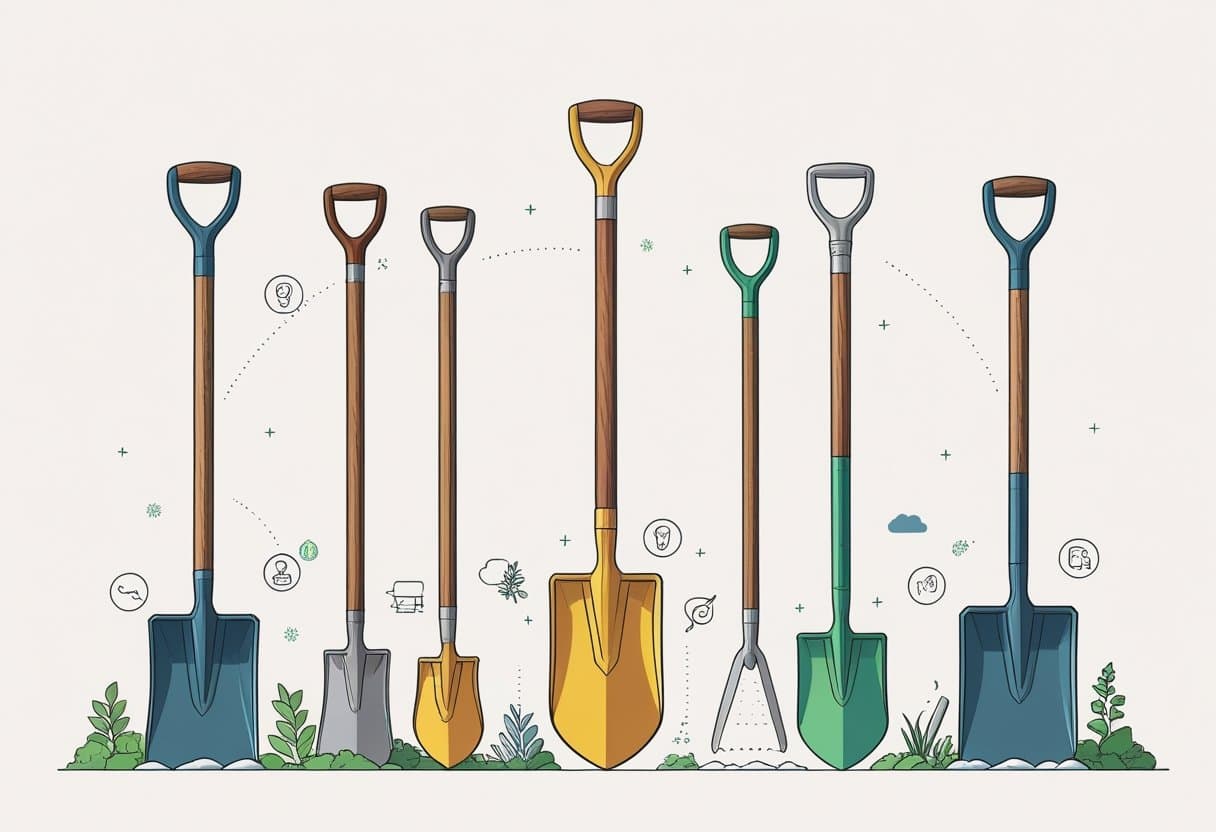
Each shovel type connects to patterns in how we work, face challenges, and act on our instincts. Even tiny design differences can reveal how we use strength, patience, or courage to solve problems.
Classic Round Point Shovel Personalities
If you often grab a round point shovel, you probably value versatility and resilience. People like this enjoy tasks that need steady effort and adaptability.
They show balanced instincts—good at planning ahead, but quick to react if things shift. A round blade cuts through soil easily, just like these folks handle obstacles: directly and efficiently.
They lean toward structure and reliability, liking routines that keep progress on track. Instead of rushing, they trust steady effort to get the job done.
Square Point Shovel Traits
If you reach for a square point shovel, you probably like order and precision. This shovel scrapes, levels, and moves material with minimal mess—perfect for those who appreciate neat lines and predictability.
These people think before they act. Their instincts pull them toward careful planning and logical choices, not impulsive moves.
The flat edge of a square shovel matches their direct thinking style. Some of their standout strengths:
- Dependability in teamwork
- Attention to detail
- Preference for practical solutions
They tend to keep their cool during complicated work and lead by example.
Garden Trowel Lovers
The garden trowel draws in people who are patient and attentive. They get satisfaction from nurturing growth and seeing small improvements over time.
They rely on softer instincts—responding to subtle changes in their environment. A trowel needs a gentle but steady hand, and that’s how these folks approach life: with a mix of compassion and determination.
Most trowel lovers enjoy simplicity. They love being outdoors, hands in the dirt, connecting to nature. Their personality often reflects kindness, curiosity, and a focus on the little things that make a difference.
Specialty Shovel Preferences
Some of us just love specialized tools—trenching, snow shovels, you name it. This usually points to creative problem solvers who enjoy mastering unique techniques.
They pick up challenges others might skip, showing courage in subtle ways. Each specialty shovel needs skill and balance, and these folks value both.
Their personalities? Innovative, independent, and results-oriented. They treat work and life as a chance to experiment, tweaking methods until everything feels just right. These are the troubleshooters who thrive on efficiency and love turning tough jobs into chances to improve.
Key Personality Traits Uncovered
Our tool choices often reveal steady qualities in how we act and decide. Patterns of dependability, curiosity, and courage shape how we handle relationships, learning, and challenges.
Trust and Reliability
When we talk about trust, we mean how steady and dependable we are in different situations. People who like reliable tools usually appreciate structure and accountability.
They meet deadlines, keep promises, and pick clarity over confusion. Trustworthy folks build strong relationships because people know what to expect from them.
In teamwork, their steady nature calms things down and builds mutual respect. They often score high on the conscientiousness side of the Big Five Personality Traits, showing organized and goal-focused behavior.
You’ll spot reliability in people who match their words with actions. Little habits—like showing up on time or finishing what they start—lay the groundwork for bigger success together.
Curiosity and Openness
Curiosity pushes us to explore. It makes us ask why and chase new experiences instead of sticking with what’s safe.
People high in openness tend to love creative projects, travel, and learning new things. They’re adaptable, open to changing their minds when new info comes along.
Research on the Big Five Project Personality Test links openness to imagination, emotional awareness, and a thirst for knowledge. These folks usually find meaning in discovery.
But curiosity needs direction. Without it, you might end up scattered. Balancing openness with grounded choices helps you stay curious and actually get things done.
In daily life, this could mean reading widely, listening more, and taking on challenges that stretch your understanding.
Courage in Decision-Making
Courage isn’t just about big, bold moves. It’s about making thoughtful choices when things are uncertain.
It means facing fear but not letting it take over. Courage shows up when we stick to our values, even if the outcome’s fuzzy.
In personality tests like the Discover Your Personality Traits guide, courage connects to emotional stability and resilience. It’s about how we handle setbacks and whether we keep going under pressure.
Real courage often hides in small moments: speaking up, admitting a mistake, or chasing a goal despite doubts. Over time, these choices build real confidence.
Behind the Popularity: Why People Choose Their Shovel
People don’t just pick a favorite shovel for how it works. The choice often shows how we think, what we trust, and the experiences that shape our instincts about work, care, and effort.
Psychological Motives
Our shovel preference often mirrors how we handle challenges and express trust in our own ability.
Some of us lean toward sturdy, practical designs that show a rational mindset—we value efficiency and reliability.
Others pick unique or worn tools that feel personal, revealing how sentiment and memory blend with everyday labor.
Psychologists sometimes call this the projection principle—we project our inner attitudes onto simple objects.
In this way, a shovel starts to feel like part of our self-expression.
Its weight, grip, and balance can tie back to how we manage tasks or face uncertainty, even if we don’t always realize it.
Patterns suggest we rarely grab a tool at random.
We might reach for a classic long-handled shovel if we trust consistent technique, or a compact one when we want flexibility and quick results.
The Shovel Archetype Meaning & Symbolism links this act of choice to our comfort with “digging deeper,” hinting that how we approach effort can show how we approach truth.
| Motivation Type | What It Reflects | Typical Preference |
|---|---|---|
| Practical Thinking | Logic and trust in process | Standard digging shovel |
| Emotional Connection | Instinct and comfort | Aged or sentimental tool |
| Creative Curiosity | Exploration and discovery | Unique or adaptable model |
Influence of Upbringing and Experience
Our early experiences shape what kind of shovel feels “right.”
If we grew up around farming or gardening, we might instinctively trust heavier tools, linking weight to strength and honesty.
Those raised in urban areas usually go for light, compact shovels that reflect efficiency and adaptability.
Past success can nudge our thinking, too.
Each well-finished project makes us more comfortable with certain designs.
This lines up with cultural perspectives from the Cultural Symbolism of Shovels, where tools represent the connection between labor and identity.
Experience trains instinct.
Over time, we notice how a handle’s texture affects control or how a blade’s curve matches the soil.
These small cues build our trust in the familiar, even if we don’t always notice.
The tools we grab show what we believe about effort, results, and how much we trust ourselves.
From Personality Quizzes to Real Life Applications
Understanding ourselves through a personality quiz can be more than just a fun distraction.
If we reflect on results and spot patterns, we might actually improve how we grow, work, and connect with others.
Thoughtful use of these tools can shape our decisions in surprisingly practical ways.
Personal Growth Through Self-Discovery
We often take a personality test to see how our traits influence behavior and motivation.
Studies suggest that well-designed models, like the Big Five, can better predict outcomes than less evidence-based systems such as the Jungian or MBTI frameworks (Psychology Today).
The key is picking assessments that rely on research and measurable data, not just catchy labels.
When we trust reliable results, we can set realistic goals and spot our blind spots.
If a test shows we like structure, we might plan our work to match that strength.
When we learn we value creativity, we could seek out roles that let us think outside the box.
| Trait Identified | Practical Action |
|---|---|
| High organization | Use planners or to-do lists |
| Strong empathy | Choose teamwork roles |
| Creative thinking | Pursue projects with open-ended goals |
Personality awareness supports self-regulation and focus, giving us a framework to track progress rather than chase after labels.
Building Stronger Connections
Knowing our own personality—and the traits of others—can help us sidestep misunderstanding.
Discover Yourself points out that recognizing temperament differences lets people tailor communication and cooperation more effectively (Discover Yourself).
In workplaces or social settings, these insights reduce conflict and build trust.
If we know a teammate values precision while we prefer speed, we can assign roles that fit both styles.
When we see differences as complementary, not oppositional, unity gets a whole lot easier.
Some teams even use shared personality data to tweak leadership methods or build empathy-based training.
The goal isn’t to box anyone in, but to understand how different approaches can align toward a shared goal—whether we’re working with a colleague, a friend, or Sam down the street.
Frequently Asked Questions
How does the choice of shovel relate to personality traits?
We see each shovel type as a reflection of how we approach work and problem-solving.
A sturdy digging shovel might mean we value perseverance and direct action, while a lightweight snow shovel could show we prefer balance and comfort.
This approach leans on simple behavioral observation, not complicated theory.
It lets us talk about personality through everyday choices that feel familiar.
Can my favorite shovel change over time, and what would that mean?
Yes, it can.
As we grow or our routines shift, so can our choice of tools.
Someone might once prefer a heavy-duty shovel but later go for a smaller or ergonomic one as their priorities or physical needs change.
Such changes can signal growth or adaptation, showing our preferences evolve as our lifestyles do.
What do the different shovel preferences indicate?
Our preferences show how we respond to physical tasks and how we value function or design. Folks who like multipurpose tools often focus on flexibility and readiness for change. Someone drawn to decorative or unusual designs may care more about creativity and individuality. These interpretations are descriptive, not diagnostic.