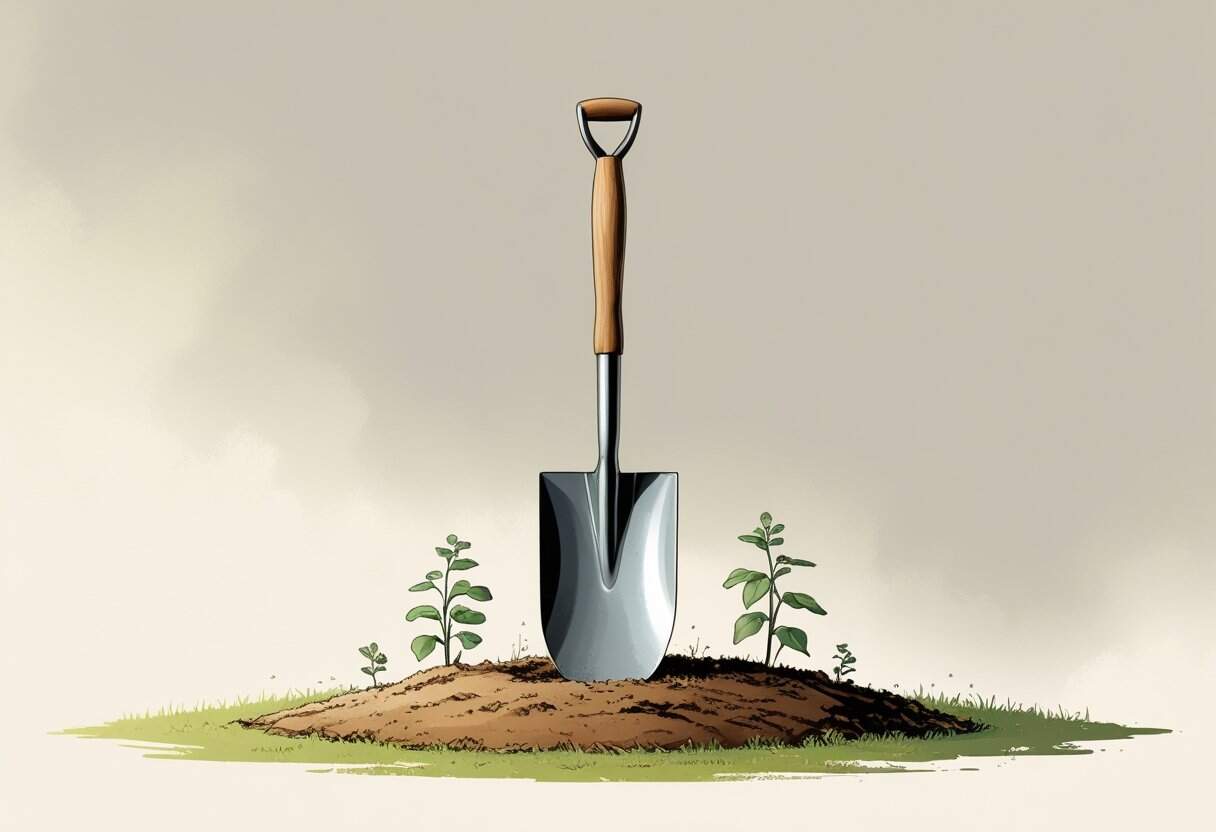
Owning just one shovel might seem limiting, but it fits perfectly into a minimalist lifestyle. When we keep only one reliable, well-made shovel, we simplify our tools, reduce clutter, and focus on what truly serves a purpose.
This choice reflects the heart of minimalism—intentional living with fewer, better things.
We often collect tools for every possible task, but most of them sit unused. By keeping one shovel, we learn to value versatility and function over excess.
It becomes a tool we know well, maintain easily, and use with purpose.
This approach connects to the broader idea of living with less and making mindful choices in every part of our lives.
From decluttering our homes to rethinking what we own, one shovel can remind us that simplicity often brings the most satisfaction.
Table of Contents
The Role Of One Shovel In Minimalist Living
Owning one shovel supports a minimalist lifestyle by reducing clutter, saving space, and encouraging thoughtful use of tools. It helps us focus on what we truly need while maintaining the ability to handle essential outdoor and home tasks efficiently.
Why One Shovel Is Enough
In a minimalist home, each item should serve a clear purpose. A single, durable shovel can handle most digging, lifting, and clearing jobs without the need for duplicates.
We often find that owning multiple shovels leads to unnecessary storage problems and maintenance. By choosing one high-quality model, we simplify our toolkit and reduce waste.
A good shovel can perform tasks like planting, edging, or snow removal when paired with proper technique. Fewer tools mean less time organizing and more time doing.
| Task | Tool Needed |
|---|---|
| Garden planting | Single shovel |
| Snow clearing | Same shovel |
| Compost turning | Same shovel |
When we value function over quantity, we align with the minimalist idea of intentional ownership.
Versatility And Everyday Uses
One shovel can adapt to many outdoor and household needs. We can use it for gardening, landscaping, mixing soil, or even emergency digging during winter.
Its versatility comes from design. A sturdy, all-purpose shovel with a strong handle and wide blade can perform multiple roles.
We avoid buying specialty tools that only serve one task. For those practicing minimalist living, versatility supports our goal of doing more with less.
It teaches us to rely on skill and care rather than accumulation. We can also maintain the shovel easily—cleaning, sharpening, and storing it properly ensures it lasts for years.
This approach fits the minimalist value of sustainability and mindful consumption.
Avoiding Redundancy In Essential Tools
Minimalism encourages us to question duplicates. Keeping several similar tools often adds clutter without improving efficiency.
By owning only one shovel, we avoid redundancy and free up space for what truly matters. This mindset mirrors the advice found in minimalist essentials—keep what you use often and let go of the rest.
Redundancy also costs money and time. Maintaining fewer tools means fewer repairs, less storage, and easier organization.
We learn to appreciate quality craftsmanship and thoughtful design. Each tool earns its place, reflecting our commitment to simplicity and intentional living.
Decluttering Your Home And Tools
We maintain a minimalist home by keeping only what we use and value. When we remove extra items and organize what remains, we reduce clutter and spend less time cleaning.
Letting Go Of Unnecessary Items
We often keep duplicates, broken tools, or things we rarely use. A good first step is identifying what adds real value.
For example, minimalists often remove duplicates and unused gadgets to simplify their homes. A quick way to start is by sorting items into three groups:
| Keep | Donate | Discard |
|---|---|---|
| Used often | Still useful but not needed | Broken or expired |
We can also apply the “one in, one out” rule—when we buy something new, we remove one similar item. This keeps storage balanced and prevents clutter from returning.
When we let go of unneeded tools and focus on owning one shovel for example, we free up space and make it easier to find what we need. The fewer items we own, the less time we spend cleaning and maintaining them.
Organizing With Purpose
Once we’ve decluttered, we should organize what remains in a way that supports daily tasks. Minimalists often assign a specific home for each item, which helps maintain order and create a clutter-free space.
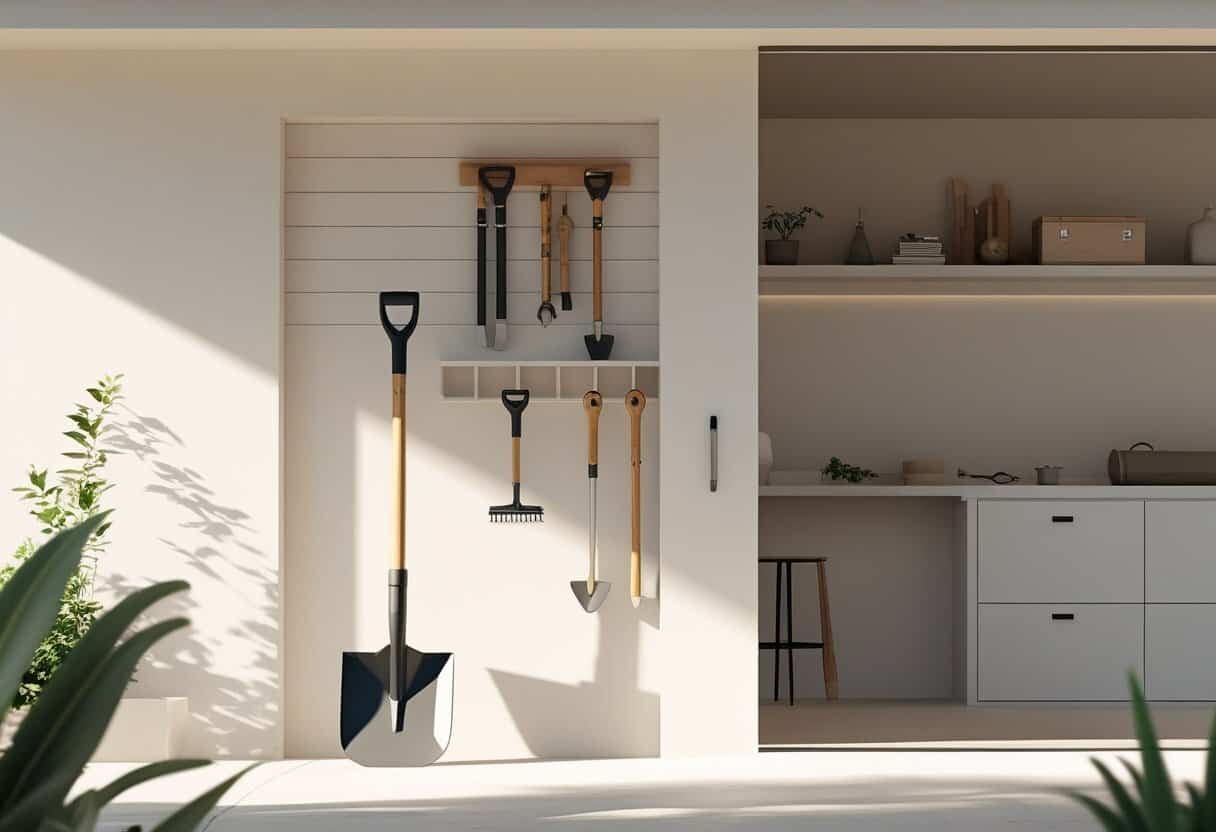
We can store tools by frequency of use—keep daily items within reach and seasonal ones in labeled bins. Using clear containers or pegboards helps us see what we have without digging through piles.
A minimalist setup also encourages mindful upkeep. When every tool has a place, we notice missing or unused items quickly.
This simple system keeps our home functional, tidy, and easy to clean.
Benefits Of Owning Just One Shovel
Owning a single, reliable shovel helps us simplify our work, reduce clutter, and make better use of our time and space. It keeps our tools organized, lowers maintenance needs, and allows us to focus on what truly matters—getting the job done efficiently.
Less Stress And Decision Fatigue
When we keep only one shovel, we remove the small but constant decisions about which one to use. This reduces decision fatigue, a common problem when we own duplicates.
We also experience less stress because our tools are easy to find and manage. A single, familiar shovel becomes part of our routine, saving mental energy for actual work rather than sorting through options.
Owning one shovel encourages us to choose a high-quality tool that fits our needs best. We stop second-guessing and start trusting our choice.
This focus supports the minimalist idea that fewer possessions can lead to a calmer, more intentional life, similar to the peace described in The Simple Joy of One.
Saving Space And Money
Keeping one shovel instead of several frees up storage space in our shed or garage. We can use that space for something more useful, such as neatly storing garden supplies or seasonal items.
Buying fewer tools also saves money. As noted in discussions about why owning less can make us happier, spending less often leads to financial freedom and less pressure to maintain unnecessary items.
We can also invest in a better shovel since we only need one. A durable, well-made tool lasts longer and performs better, reducing the need for replacements.
This practical approach keeps our spending low while keeping our work efficient.
Easier Maintenance And Cleaning
A single shovel means less cleaning and simpler maintenance. We spend less time scrubbing rust, sharpening edges, or checking handles for cracks.
With fewer tools, we can care for the one we have more attentively. Regular cleaning and light oiling will keep it in good condition for years.
This habit aligns with minimalist principles found in 15 Science-Backed Benefits of Minimalism, where maintaining fewer possessions leads to better upkeep and longer lifespan.
Our workspace stays cleaner, and we gain more time for meaningful tasks.
Integrating Minimalism Into Daily Life
We can make minimalism more practical by focusing on what we use most, selecting items with purpose, and keeping only what adds value. This approach helps us reduce clutter, spend less time managing possessions, and live with greater clarity.
Applying The One-Item Principle
The one-item principle reminds us that owning one reliable tool often meets our needs better than owning many. For example, one durable shovel can handle gardening, snow clearing, and small outdoor projects.
We can apply this rule beyond tools. In the kitchen, one sharp chef’s knife replaces a drawer full of unused blades.
In the office, one dependable pen saves us from piles of cheap alternatives.
| Area | Example of One-Item Choice | Benefit |
|---|---|---|
| Kitchen | Chef’s knife | Saves space, improves function |
| Wardrobe | Classic coat | Reduces decision fatigue |
| Tools | Multi-purpose shovel | Cuts clutter, increases utility |
This method encourages us to buy thoughtfully and maintain what we already own. It’s a habit of intention rather than restriction, helping us live with less while keeping what truly serves us.
Building A Capsule Wardrobe
A capsule wardrobe simplifies dressing by focusing on a small number of versatile pieces. We choose neutral colors, durable fabrics, and items that mix easily.
This reduces laundry loads, shopping trips, and decision fatigue. We can start by removing clothes we rarely wear.
Then, we select 25–35 items that fit our lifestyle, including shoes and outerwear. Seasonal rotation keeps the wardrobe fresh without adding excess.
Creating a capsule wardrobe aligns with the minimalist lifestyle. It’s not about deprivation but about clarity—knowing every piece has a purpose.
We dress more efficiently, travel lighter, and free space for things that matter more than clothes.
Choosing Quality Over Quantity
When we buy fewer but better items, we reduce waste and save money over time. A single well-made pair of boots can last years, while cheaper ones wear out quickly.
We can apply this mindset to everything—tools, clothing, furniture, or digital devices. Embracing minimalism in this way means valuing craftsmanship and sustainability.
Checklist for quality selection:
- Check materials and construction
- Choose timeless designs
- Avoid impulse purchases
- Maintain items regularly
By focusing on quality, we build trust in what we own and create a simpler, more dependable environment.
Emotional And Practical Considerations
Owning only one shovel challenges us to balance emotional attachment with practical needs. We learn to keep what serves a purpose while respecting the memories tied to our belongings.
Managing Sentimental Items
Letting go of extra tools can stir emotion. A shovel once used by a parent or during a memorable project may feel irreplaceable.
We can honor those memories without keeping duplicates. Taking a photo or writing a short note about its meaning helps preserve the story while freeing space.
When we keep too many sentimental items, clutter grows and usefulness fades. Instead, we can create a small “memory box” for items that truly matter.
Limiting space encourages thoughtful choices and prevents emotional overload.
| Approach | Benefit |
|---|---|
| Photographing items | Keeps memory without physical clutter |
| Memory box | Defines limits for sentimental storage |
| Sharing stories | Transfers meaning to others |
Avoiding Perfectionism In Minimalism
Minimalism can easily shift from mindful living to rigid control. The goal isn’t to create a flawless home but a functional one.
Owning one shovel doesn’t mean owning the perfect shovel; it means choosing one that works well for our real tasks.
Perfectionism often leads to constant comparison, especially when we see idealized spaces online. As noted in The Truth About “Minimalist Living” That No One Admits, social media can set unrealistic standards that make simplicity feel like performance.
We can avoid that trap by focusing on usefulness over image:
- Keep tools that serve daily life.
- Accept wear as a sign of use, not failure.
- Redefine “enough” based on function, not appearance.
Frequently Asked Questions
What are the essential tools every minimalist should have?
We keep only tools that meet real needs and perform more than one task. A few examples include a quality screwdriver set, a multipurpose knife, a sturdy hammer, and a reliable shovel. These items handle most household and outdoor tasks without taking up extra space, as shown in lists like the Minimalist 100 Things List.
What is the minimalist approach to garden tools?
Select garden tools that serve multiple functions and last for years. Instead of owning many specialized items, we rely on a few essentials like a shovel, pruning shears, and a hand trowel. This mirrors the minimalist essentials approach of choosing quality and versatility over quantity.
How does minimalism affect purchasing decisions for home essentials?
Buy with purpose, choosing durable, multipurpose items over trendy or disposable ones. Each purchase must serve a clear function and fit our space and routines.